By Jeff Richter
August 31, 2026
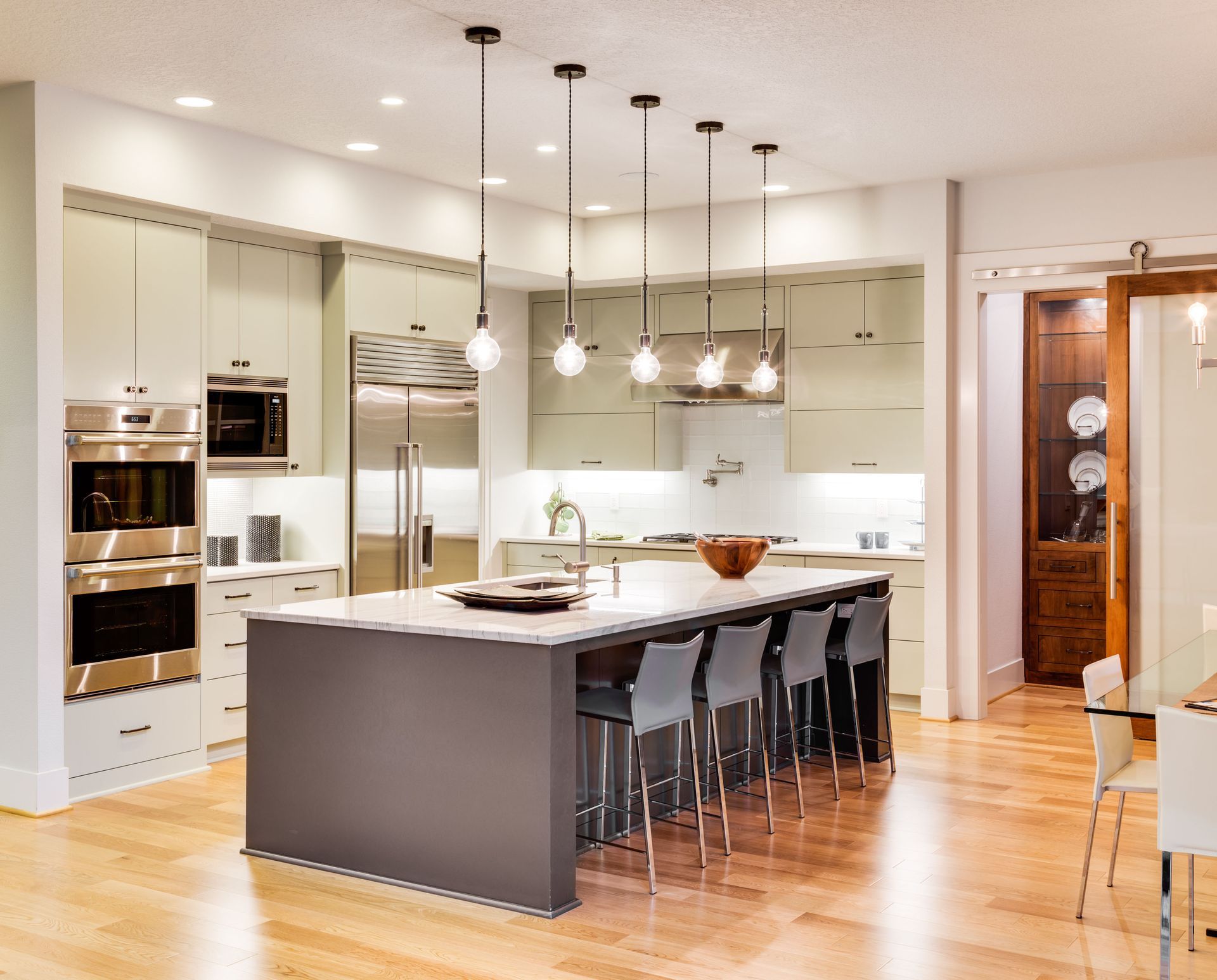
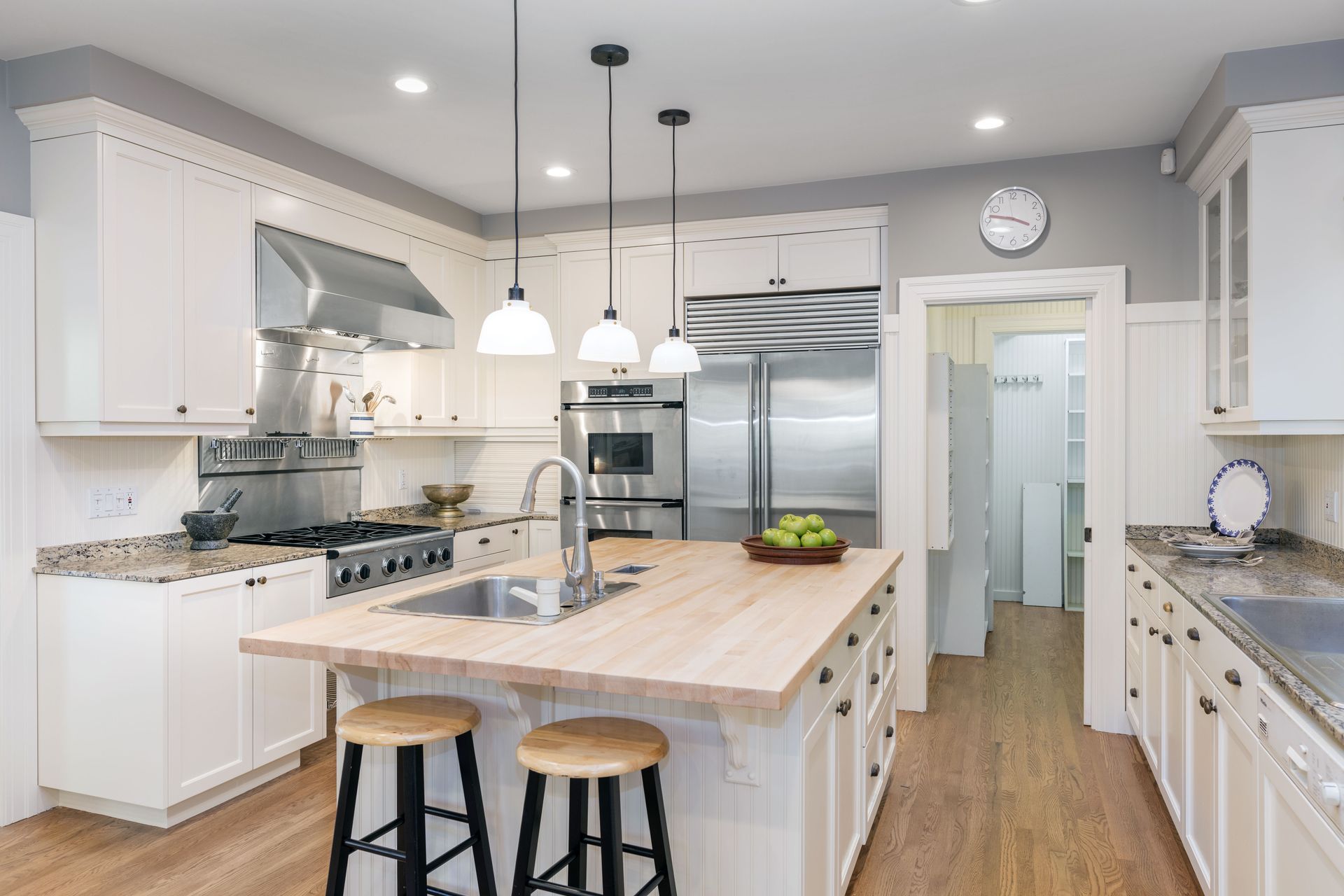
The kitchen is one of the most important spaces in a home, both for everyday living and potential resale value. An outdated layout, worn finishes, limited storage, and inefficient appliances can make the room less enjoyable to use while also affecting how prospective buyers view the property.
Well-planned kitchen renovations can address these concerns while potentially recovering a significant portion of the original investment. Improvements that make a kitchen more functional, attractive, and efficient can provide value while homeowners are living in the property and may also make the home more appealing when it is time to sell.
In this article, we'll explore several ways investing in a kitchen renovation can nearly pay for itself by increasing home value, improving functionality, and reducing certain ongoing household costs.
What Are The Benefits Of Renovating A Kitchen?
One of the most immediate benefits of kitchen renovations is improved functionality. A kitchen may have plenty of square footage but still feel difficult to use if the cabinets are poorly arranged, counter space is limited, or appliances interfere with food preparation.
A renovation can address these issues by creating a more practical layout. Additional storage, better lighting, updated countertops, and strategically positioned appliances can make cooking and cleaning easier. Even relatively modest changes can have a noticeable effect on how efficiently the room functions.
Renovations can also improve comfort and appearance. Replacing damaged surfaces, updating cabinets, installing new flooring, or adding a backsplash can give an older kitchen a fresh appearance. These improvements can make the room more enjoyable for homeowners and more attractive to visitors.
Another benefit is the opportunity to address aging components before they become larger problems. Old plumbing fixtures, deteriorating cabinetry, outdated electrical components, or aging appliances may eventually require replacement. Incorporating these improvements into a planned renovation can allow homeowners to address several issues at once.
How Can Kitchen Renovations Increase Home Value?
A renovated kitchen can influence how buyers perceive an entire property. Because kitchens are frequently used and often serve as gathering spaces, prospective buyers may pay close attention to their condition when comparing homes.
Kitchen renovations can increase perceived value by making a property feel newer, better maintained, and more functional. A buyer who does not immediately need to replace cabinets, countertops, appliances, or flooring may also see greater value in a home that is ready for everyday use.
According to HomeGuide, homeowners can recover approximately 54% to 80% of the original cost of a kitchen remodel through increased home value. The exact return depends on factors such as the scope of the renovation, materials used, location, and the condition of the local housing market.
That means a renovation does not necessarily need to recover every dollar spent to provide a strong financial benefit. If a homeowner spends $30,000 on a project and ultimately recovers a substantial portion through increased property value, the remaining cost effectively helped purchase years of improved functionality and enjoyment.
It is important, however, to distinguish between improving a home and over-improving it. A highly customized luxury kitchen may not produce the same return in a neighborhood where comparable properties have considerably more modest kitchens. Improvements should generally remain appropriate for the home and surrounding market.
What Kitchen Renovations Give The Highest Return On Investment?
Not every renovation provides the same financial benefit. Homeowners interested in maximizing their return may want to prioritize improvements that combine visual appeal with practical functionality.
Cabinet updates are one potential area of focus. If existing cabinets are structurally sound, refinishing, repainting, or replacing their doors and hardware may provide a significant visual improvement without the cost of completely replacing the cabinetry. When cabinets are damaged or poorly configured, replacement may make more sense.
Countertops can also have a major impact on the appearance of a kitchen. Replacing worn or outdated countertops with durable, attractive materials can make the room feel substantially newer.
Lighting is another relatively practical improvement. Better overhead illumination and task lighting can make food preparation easier while highlighting other improvements throughout the room.
Appliances can contribute to both appearance and functionality as well. Replacing mismatched or outdated appliances with coordinated models can give a kitchen a more cohesive appearance. Choosing efficient models may provide additional long-term savings.
Flooring, hardware, faucets, and backsplashes can also refresh a kitchen without necessarily requiring a complete redesign.
The highest-return kitchen renovations are often those that solve obvious problems while maintaining broad appeal. A practical, attractive kitchen can appeal to a larger group of potential buyers than one designed around highly specific personal tastes.
How Do Sustainable Kitchen Renovations Lead To Saving Costs?
Energy efficiency can be another way a kitchen renovation provides value over time. Older appliances may consume more electricity than newer models, while inefficient lighting can also contribute to household energy use.
Replacing older refrigerators, dishwashers, ranges, and other appliances with energy-efficient alternatives may reduce operating costs. The amount saved will depend on the appliance, household usage, utility rates, and the efficiency of the previous equipment.
Lighting upgrades can also contribute to savings. Replacing older bulbs and fixtures with LED lighting can reduce electricity consumption while providing better illumination.
Water efficiency is another consideration. Low-flow faucets and efficient dishwashers can reduce water consumption without necessarily sacrificing convenience.
Kitchen renovations can also incorporate longer-lasting materials. Choosing durable countertops, flooring, cabinet hardware, and fixtures may reduce the frequency with which components need to be repaired or replaced.
Sustainable choices do not always require choosing the most expensive products available. In many cases, selecting durable materials and efficient appliances can provide a combination of environmental and financial benefits over the long term.
How Long Does It Take To See A Return On Investment From A Kitchen Renovation?
There is no universal timeline for recovering the cost of a kitchen renovation. The financial return can take several forms, and each one may occur on a different schedule.
Some benefits begin immediately. Homeowners can use improved storage, better lighting, newer appliances, and a more functional layout as soon as the project is complete. Those improvements provide value through everyday use rather than through a future sale.
Energy savings may accumulate gradually. If new appliances or lighting reduce monthly utility expenses, the renovation can provide small financial benefits over the course of several years.
The largest potential financial return may occur when the property is eventually sold. A renovated kitchen can make a home more competitive with similar properties, potentially contributing to a higher sale price or helping the property attract buyers more quickly.
Market conditions also matter. Home values fluctuate based on location, supply and demand, interest rates, and broader economic factors. Because of this, homeowners should avoid treating a renovation as a guaranteed dollar-for-dollar investment.
Instead, it can be useful to think of kitchen renovations as an investment with several potential forms of return: increased home value, lower operating costs, improved functionality, and greater enjoyment of the property.
A well-planned kitchen renovation can improve both the appearance and day-to-day utility of a home while potentially offsetting a substantial portion of its cost. Improvements to cabinetry, countertops, lighting, appliances, storage, and layout can make a kitchen more enjoyable for current homeowners while also increasing its appeal to future buyers.
Energy-efficient appliances, lighting, plumbing fixtures, and durable materials may provide additional savings over time. Meanwhile, the potential increase in resale value can help recover a portion of the initial investment.
The key is to approach
kitchen renovations with a clear understanding of the home's needs, the local market, and the homeowner's budget. By focusing on practical improvements rather than unnecessary upgrades, homeowners can create a kitchen that delivers value long after construction is finished. If you're looking for a kitchen renovation, reach out to Riccon Construction LLC today!